Menu

How to Select Native Plants for a Sustainable and Low-Maintenance Garden

Discover the advantages of choosing native plants for your garden, including low maintenance, enhanced biodiversity, and improved soil health. By selecting species adapted to your local environment, you’ll create a sustainable, eco-friendly landscape that conserves resources and supports local wildlife while providing year-round beauty.

Ideal Indoor Plants for New Gardeners: Beauty and Freshness at Home

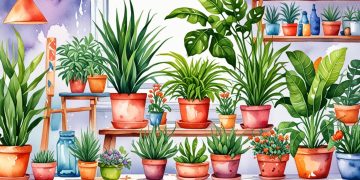
Explore easy-to-care indoor plants perfect for new gardeners. Discover how choosing the right greenery can enhance your home's beauty, improve air quality, and provide emotional benefits. Embrace your gardening journey with resilient options like snake plants and pothos to create a vibrant, fresh indoor oasis.

The Benefits of Cover Crops: Enhancing Soil Health Before Planting

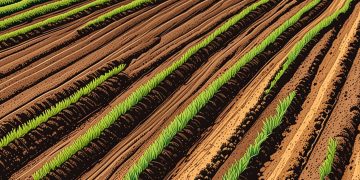
Cover crops are essential for enhancing soil health in sustainable agriculture. By improving soil structure, reducing erosion, and enriching nutrients, they promote healthier farming practices. Their integration not only fosters higher crop yields but also supports environmental stewardship, making them vital for resilient agricultural systems.

The Importance of Soil Testing for Beginners: Understanding pH and Nutrients

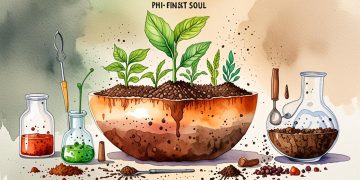
Soil testing is essential for beginners in gardening, providing crucial insights into pH and nutrient availability. Understanding these factors optimizes plant growth, enhances yield, and promotes sustainable practices. Regular testing empowers gardeners to make informed amendments, fostering healthier soil and thriving plants for a successful gardening experience.

How to Create an Efficient Watering Schedule for Gardening Beginners

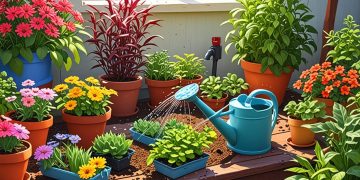
Efficient watering is essential for gardening beginners, influencing plant health and growth. Understanding plant needs, soil type, and weather conditions helps create a personalized schedule. Techniques like deep watering and early morning irrigation optimize moisture absorption, leading to a thriving garden, conserved resources, and a rewarding gardening experience.

The influence of soil type on irrigation techniques: what beginners should know

Understanding different soil types is essential for beginners in agriculture, as soil composition significantly influences irrigation techniques. Choosing appropriate methods based on soil characteristics ensures optimal water management, enhances crop yields, and promotes sustainability. Adapting irrigation strategies to specific soil types helps conserve water and supports healthier plant growth.

Understanding Soil Erosion: Strategies for Protecting Your Garden’s Foundation

Soil erosion poses a significant threat to garden foundations, leading to nutrient loss and reduced plant health. Understanding its causes and types is essential for gardeners. Implementing strategies like cover crops, mulching, and community engagement helps protect soil integrity and foster sustainable gardening practices, ensuring vibrant gardens for future generations.

How to Set Up a Homemade Sprinkler Irrigation System for Beginners

Discover how to create an affordable and efficient homemade sprinkler irrigation system. This beginner-friendly guide highlights essential materials, design tips, and installation steps, enabling you to customize your setup for optimal plant health while conserving water. Transform your garden into a thriving oasis with thoughtful irrigation solutions.

How to recognize the signs that your plants need more or less water

Understanding how to recognize the signs that your plants need more or less water is crucial for their health. Key indicators include leaf color changes, wilting, soil condition, and growth patterns. By observing these signals, you can ensure optimal hydration and promote vibrant, thriving plants.

Irrigation Techniques in Different Seasons: Adapting Your Irrigation Method to the Climate

Effective water management in agriculture requires seasonal adaptation of irrigation techniques to address climate challenges. By utilizing methods like drip irrigation, subsurface irrigation, and soil moisture monitoring, farmers can enhance crop yields, conserve water, and promote sustainability. Embracing innovative practices ensures resilience against environmental fluctuations.